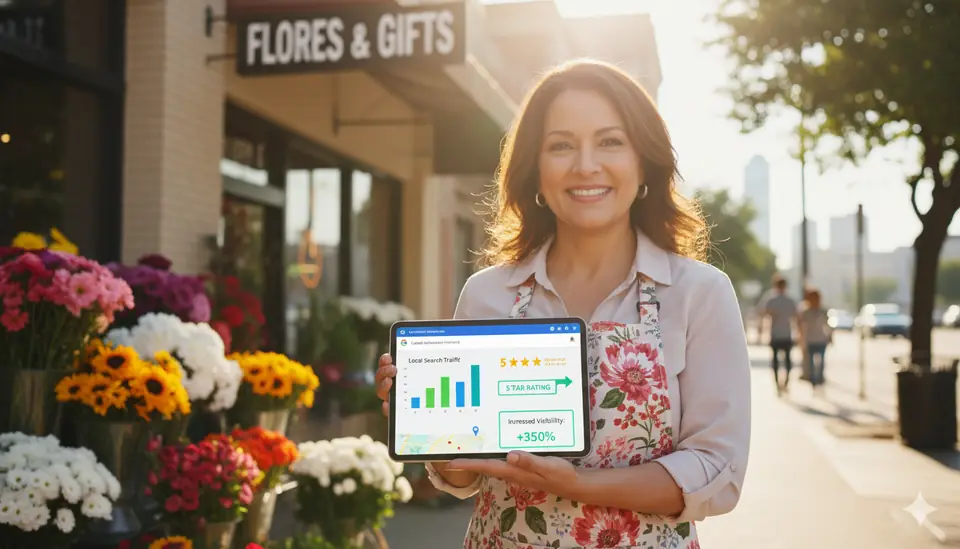

In today's digital landscape, small businesses in Houston face an increasingly competitive market where online visibility can make or break success. Local search engine optimization (SEO) has become the cornerstone of effective digital marketing strategies, particularly for businesses serving specific geographic areas. When potential customers search for products or services "near me" or include location-specific terms like "Houston," they're demonstrating high purchase intent and immediate need. Local SEO represents a specialized approach to search engine optimization that focuses on improving your business's visibility in location-based searches. Unlike traditional SEO that targets broad, national keywords, local SEO concentrates on capturing customers within your immediate service area. For Houston-based businesses, this means appearing prominently when locals search for relevant services, products, or solutions. The importance of implementing effective local SEO tips for small business in Houston cannot be overstated. Studies show that 46% of all Google searches have local intent, and 76% of people who conduct local searches visit a business within 24 hours. Furthermore, 28% of local searches result in purchases. These statistics highlight the immense opportunity available to businesses that master local SEO strategies. This comprehensive guide presents ten essential local SEO tips specifically tailored for Houston's unique market dynamics. Each strategy is designed to help small businesses enhance their online presence, attract qualified leads, and ultimately drive revenue growth through improved local search visibility.
Understanding the Houston Market
Houston's business landscape presents both tremendous opportunities and unique challenges for small to mid-sized companies seeking to establish strong local digital presence. As the fourth-largest city in the United States, Houston boasts a diverse economy spanning energy, healthcare, aerospace, technology, and manufacturing sectors. This economic diversity creates a robust marketplace where local businesses can thrive, but it also intensifies competition for local search visibility. The importance of local SEO for Texas-based businesses becomes evident when examining Houston's demographic and economic characteristics. The Greater Houston metropolitan area encompasses over 2.3 million residents across Harris County and surrounding communities, including Spring, The Woodlands, Katy, and Sugar Land. This expansive market represents millions of potential customers actively searching for local products and services daily. Recent statistics reveal compelling insights about local search behaviors in Houston. Approximately 97% of consumers search online for local businesses, with 92% of these searches occurring on mobile devices. Houston residents demonstrate particularly high engagement with local search results, with 88% trusting online reviews as much as personal recommendations. Additionally, 72% of Houston consumers who perform local searches visit stores within five miles of their location. The competitive landscape in Houston's local market varies significantly across industries and neighborhoods. Downtown Houston businesses compete differently than those in suburban areas like Spring or Harris County. Energy sector companies face different local SEO challenges compared to restaurants, retail stores, or professional services. Understanding these nuances is crucial for developing effective Houston SEO tips that resonate with target audiences. Houston's multicultural population adds another layer of complexity to local digital marketing strategies. The city's diverse demographics require businesses to consider multiple languages, cultural preferences, and community-specific search behaviors. Successful local SEO campaigns often incorporate Spanish-language optimization and culturally relevant content to capture Houston's Hispanic market, which represents approximately 45% of the population. Geographic factors also influence local search patterns in Houston. The city's sprawling layout and traffic congestion make proximity-based searches particularly important. Consumers frequently search for businesses within specific neighborhoods, along particular routes, or near major landmarks like the Texas Medical Center, downtown, or Galleria area. Small businesses must optimize for hyper-local search terms that reflect these geographic preferences. Weather patterns unique to Houston also impact local search behaviors. During hurricane season or extreme weather events, search patterns shift toward emergency services, home repair companies, and essential businesses. Smart local businesses anticipate these seasonal fluctuations and adjust their SEO strategies accordingly.
Tip 1: Optimize Your Google My Business Listing
Google My Business (GMB) serves as the foundation of successful local SEO strategies and represents the most critical element for improving small business online presence in Houston. This free tool allows businesses to manage their online presence across Google Search and Google Maps, making it essential for capturing local customers actively searching for products or services. Setting up a comprehensive GMB account requires systematic attention to detail. Begin by claiming your business listing through the Google My Business website or mobile application. Verify your business location through Google's verification process, which typically involves receiving a postcard with a verification code at your business address. For businesses serving customers at their location, accurate address information is crucial for appearing in relevant local searches. Complete every section of your GMB profile with detailed, accurate information. Include your business name exactly as it appears on your storefront and official documents. Add your complete address, ensuring consistency with information displayed on your website and other online directories. Provide your primary phone number, preferably a local Houston number that customers can easily remember and trust. Select appropriate business categories that accurately describe your services. Google allows one primary category and multiple secondary categories. Choose the most specific category available for your business type, as this significantly impacts when your listing appears in search results. For example, a Houston restaurant should select "Restaurant" as the primary category rather than the broader "Food & Beverage" option. Craft a compelling business description that incorporates relevant local keywords naturally. Describe your products, services, and unique value proposition while mentioning your Houston location and service areas. Include information about your business history, specializations, and what sets you apart from competitors in the Houston market. Upload high-quality photos that showcase your business, products, services, and team. Include exterior and interior shots of your location, product images, and photos of your team in action. Google recommends uploading new photos regularly, as businesses with fresh photos receive 42% more requests for driving directions and 35% more click-throughs to their websites. Maintaining current information is crucial for GMB success. Update your business hours regularly, especially during holidays or special events. Post announcements about temporary closures, special promotions, or new services. Respond promptly to customer questions and reviews, demonstrating active engagement with your community. Encourage satisfied customers to leave reviews on your GMB listing. Positive reviews improve your local search rankings and build trust with potential customers. Respond professionally to all reviews, thanking customers for positive feedback and addressing concerns raised in negative reviews constructively.
Tip 2: Ensure NAP Consistency Across Directories
NAP consistency represents one of the most fundamental yet frequently overlooked aspects of local SEO success. NAP stands for Name, Address, and Phone number – the three critical pieces of information that search engines use to verify your business's legitimacy and determine its relevance for local searches. Inconsistent NAP information across online directories confuses search engines and can significantly harm your local search rankings. The importance of NAP consistency cannot be overstated for Houston businesses seeking to improve their local search visibility.
Search engines like Google use NAP information as trust signals to verify that your business is legitimate and accurately represents its location and contact details. When your NAP information varies across different platforms, search engines may question your business's authenticity or struggle to determine which information is correct. Major online directories where Houston businesses should maintain consistent NAP information include Google My Business, Yelp, Yellow Pages, Bing Places, Apple Maps, Facebook Business, Better Business Bureau, Chamber of Commerce directories, and industry-specific platforms.
Each platform serves different purposes and reaches different audiences, making comprehensive directory management essential for maximizing local search exposure. Maintaining NAP consistency requires systematic attention to detail and regular monitoring. Start by conducting an audit of your current online presence to identify all platforms where your business information appears. Create a master document containing your official business name, complete address, and primary phone number.
Use this document as your reference point for all future directory submissions and updates. When formatting your business name, use the exact same version across all platforms. Avoid variations like including "LLC" on some platforms but not others, or using abbreviations inconsistently. For your address, maintain identical formatting including street abbreviations, suite numbers, and zip codes. Use the same phone number format, including area code presentation and any extensions.
Common NAP consistency challenges include businesses that have moved locations, changed phone numbers, or rebranded. When making these changes, systematically update information across all platforms where your business appears. Set up Google Alerts for your business name to monitor when new listings appear online, allowing you to claim and optimize them promptly. Tools for managing NAP consistency include Moz Local, BrightLocal, and Yext, which help identify inconsistencies across multiple directories and streamline the correction process.
These platforms can save significant time while ensuring comprehensive coverage of important local directories. Regular monitoring and maintenance of NAP consistency should become part of your ongoing local SEO strategy. Schedule quarterly reviews to verify that your information remains accurate across all platforms and promptly address any discrepancies that arise.
Tip 3: Use Local Keywords Effectively
Effective local keyword implementation forms the backbone of successful Houston SEO tips and directly impacts your ability to attract customers searching for products or services in your specific market area. Local keywords combine your primary business terms with geographic modifiers, helping search engines understand your service area and connect you with nearby customers actively seeking your offerings. Identifying relevant local keywords requires understanding how Houston customers search for businesses like yours.
Start with your core business terms, then add location modifiers such as "Houston," "Harris County," "Spring," "The Woodlands," or specific neighborhood names like "Montrose," "River Oaks," or "Energy Corridor." Consider how customers describe your location, including nearby landmarks, major intersections, or popular destinations. Research long-tail local keywords that reflect natural search patterns. Instead of targeting only "plumber Houston," consider phrases like "emergency plumber near Downtown Houston," "residential plumbing services Spring TX," or "licensed plumber Harris County."
These longer phrases often have lower competition and higher conversion rates because they capture more specific search intent. Incorporate local keywords naturally throughout your website content, avoiding keyword stuffing that can harm your search rankings. Include location-specific terms in your page titles, meta descriptions, header tags, and body content. Create dedicated service area pages for different Houston neighborhoods or surrounding communities you serve, optimizing each page for location-specific keywords.
Your homepage should clearly indicate your primary service area, while interior pages can target more specific locations or neighborhoods. For example, a Houston HVAC company might have separate pages optimized for "air conditioning repair Spring TX" and "heating installation The Woodlands," each providing relevant, localized content for those specific markets. Effective keyword research tools for local SEO include Google Keyword Planner, SEMrush, Ahrefs, and Ubersuggest.
These platforms help identify search volume, competition levels, and related keyword opportunities for your Houston market. Google's autocomplete feature also provides valuable insights into how people search for local businesses, revealing commonly used phrases and location modifiers. Consider seasonal and event-based local keywords that reflect Houston's unique characteristics. Terms like "hurricane preparation services Houston," "Rodeo season catering," or "summer HVAC maintenance Harris County" can capture timely search traffic related to local events or weather patterns.
Monitor your local keyword performance using Google Analytics and Google Search Console to identify which terms drive the most qualified traffic and conversions. Adjust your content strategy based on performance data, focusing more effort on keywords that generate actual business results rather than just website traffic.
Tip 4: Create Localized Content
Creating compelling localized content represents one of the most effective local SEO tips for small business in Houston, as it demonstrates your connection to the community while providing valuable information that resonates with local customers. Localized content goes beyond simply mentioning your city name; it reflects genuine understanding of local culture, events, challenges, and opportunities that matter to Houston residents. Developing local content ideas starts with understanding your Houston audience's interests, concerns, and seasonal patterns. Consider creating content around major Houston events like the Houston Livestock Show and Rodeo, Art Car Parade, or Houston Restaurant Weeks. Write about local business challenges such as hurricane preparedness, summer energy costs, or navigating Houston traffic. Address neighborhood-specific topics relevant to areas like the Heights, Midtown, or suburban communities in Harris County. Local news and current events provide excellent content opportunities that demonstrate your business's community involvement. Comment on local economic developments, new business openings, community initiatives, or city planning changes that affect your customers. For example, a Houston marketing agency might write about how new development projects in Spring affect local businesses' visibility and marketing needs. Community involvement stories showcase your business's local roots and commitment to Houston's success. Share your participation in local charity events, sponsorships of youth sports teams, partnerships with other Houston businesses, or volunteer activities. These stories build emotional connections with potential customers while providing fresh content for search engines to index. Seasonal content tailored to Houston's unique climate and culture performs particularly well for local SEO. Create content about preparing businesses for hurricane season, managing high summer cooling costs, or taking advantage of mild winter weather for outdoor projects. Address local seasonal trends that affect your industry, such as increased home improvement projects during pleasant fall weather. Customer success stories featuring local clients provide powerful social proof while incorporating natural local keywords. Share case studies of Houston businesses you've helped, highlighting specific challenges related to the local market and how your solutions addressed them. Include photos of local projects and mention specific Houston neighborhoods or landmarks when relevant. Local resource guides and directories add value while establishing your expertise in the Houston market. Create comprehensive guides to Houston business resources, local vendor recommendations, or neighborhood-specific information relevant to your industry. For instance, a web design company might create a guide to Houston photographers, copywriters, and other professionals that complement their services. Blog regularly about local topics to maintain fresh content and demonstrate ongoing community engagement. Aim for at least one locally-focused blog post per month, incorporating relevant local keywords naturally throughout the content. Share these posts on social media with local hashtags and encourage community members to engage with and share your content. Optimize localized content for search engines by including location-specific keywords in titles, headers, and throughout the body text. Add location-based meta descriptions and alt tags for images. Create internal links between related local content pieces to help search engines understand your site's local relevance and authority.
Tip 5: Build Local Backlinks
Building high-quality local backlinks serves as a cornerstone strategy for improving your Houston business's search engine rankings and establishing authority within your local market. Local backlinks are links from other Houston-area websites, organizations, or businesses that point to your website, signaling to search engines that your business is a trusted and relevant part of the local community. The importance of backlinks for local SEO cannot be overstated, as search engines view them as votes of confidence from other websites.
When reputable Houston businesses, organizations, or local publications link to your website, it demonstrates that your business provides value to the local community. These local connections carry more weight for local search rankings than generic backlinks from unrelated websites. Developing strategic partnerships with other Houston businesses creates natural opportunities for local backlinks. Consider complementary businesses that serve similar customers but don't compete directly with your services.
For example, a Houston web design company might partner with local marketing consultants, photographers, or copywriters, creating opportunities for mutual referrals and website links. Local sponsorship opportunities provide excellent backlink potential while supporting Houston community organizations. Sponsor local charity events, youth sports teams, chamber of commerce activities, or community festivals. Most sponsorship agreements include recognition on the organization's website with a link back to your business, creating valuable local backlinks while demonstrating community involvement.
Houston Chamber of Commerce membership and other professional organization participation generate authoritative local backlinks. Join relevant industry associations, local business groups, and community organizations that maintain member directories with website links. These organizations typically have strong local SEO authority, making their backlinks particularly valuable for improving your local search rankings. Local media coverage and press releases create opportunities for high-authority backlinks from Houston news outlets and industry publications.
Develop newsworthy stories about your business achievements, community involvement, or industry expertise. Reach out to local business journals, neighborhood publications, and industry media with compelling story angles that warrant coverage and linking. Guest blogging for other Houston businesses or local publications allows you to share expertise while earning valuable backlinks. Offer to write informative articles for complementary businesses' blogs, local business publications, or community websites.
Ensure your guest content provides genuine value and includes natural links back to relevant pages on your website. Customer testimonials and case studies published on clients' websites can generate organic local backlinks. When you deliver exceptional results for Houston clients, ask if they'd be willing to share a success story on their website that includes a link to your business. These authentic endorsements carry significant weight with both search engines and potential customers.
Tools for tracking local backlinks include Ahrefs, SEMrush, Moz Link Explorer, and Google Search Console. These platforms help monitor your current backlink profile, identify new linking opportunities, and track the authority and relevance of websites linking to your business. Regular monitoring ensures you maintain a healthy backlink profile and can identify potential issues quickly. Focus on earning backlinks from websites with strong local relevance and domain authority rather than pursuing quantity over quality.
A single backlink from a respected Houston business journal or major local organization provides more SEO value than dozens of links from low-quality directories or irrelevant websites.
Tip 6: Leverage Social Media for Local SEO
Social media platforms play an increasingly important role in local search rankings and represent powerful tools for enhancing your small business online presence throughout the Houston market. While social media signals don't directly impact search engine rankings, they influence local SEO through increased brand visibility, customer engagement, and the generation of local citations and backlinks. Social media impacts local search rankings through several indirect mechanisms that search engines consider when evaluating local business authority and relevance. Active social media presence increases brand mentions across the web, creates opportunities for customer reviews and recommendations, and generates traffic to your website. Additionally, social media profiles often rank highly in search results for branded searches, providing additional visibility for your Houston business. Platform-specific strategies maximize your local SEO impact across different social networks. Facebook Business pages should include complete NAP information, local keywords in the business description, and regular posts about local events, customer spotlights, and community involvement. Facebook's local business features, including check-ins and location tagging, help establish your presence in the Houston market. Instagram's visual nature makes it ideal for showcasing your Houston location, local projects, and community connections. Use location tags for Houston neighborhoods, landmarks, and venues to increase discoverability among local users. Share behind-the-scenes content from your Houston office, local client projects, and participation in community events. Instagram Stories with location stickers help capture local search traffic and engage nearby customers. LinkedIn serves as an excellent platform for Houston B2B businesses to establish local professional authority. Join Houston business groups, participate in local industry discussions, and share insights about the Houston market. Connect with other local business owners, potential partners, and customers while maintaining an active presence in Houston's professional community. Local hashtag strategies help your content reach Houston audiences searching for local businesses and services. Research popular Houston hashtags like #HoustonBusiness, #HTX, #HoustonSmallBusiness, #SpringTX, or #HarrisCounty. Create branded hashtags that combine your business name with local identifiers, encouraging customers to use them when sharing their experiences with your business. Geotag your social media posts consistently to establish strong local relevance signals. Tag your business location, client locations (with permission), and Houston landmarks or neighborhoods relevant to your content. Geotagging helps local customers discover your business and demonstrates your active presence in the Houston community. Customer-generated content amplifies your local social media impact while building community engagement. Encourage satisfied customers to share photos, reviews, and experiences on social media, tagging your business and using local hashtags. Repost customer content with proper attribution, showing appreciation for their support while expanding your local reach. Social media engagement with local Houston accounts builds relationships that can lead to partnerships, referrals, and backlink opportunities. Follow and interact with other Houston businesses, local influencers, community organizations, and potential customers. Comment thoughtfully on their posts, share relevant content, and participate in local online conversations. Monitor social media mentions of your business name, local keywords, and Houston-related terms using tools like Hootsuite, Sprout Social, or Google Alerts. Respond promptly to mentions, questions, and comments to demonstrate excellent customer service and maintain positive online reputation management.
Tip 7: Mobile Optimization is Key
Mobile optimization has become absolutely critical for local SEO success, particularly for Houston businesses targeting customers who frequently search for local services while on the go. With mobile devices accounting for over 60% of all local searches, ensuring your website performs flawlessly on smartphones and tablets directly impacts your ability to capture and convert local customers. Statistics reveal the overwhelming importance of mobile optimization for local searches in Houston.
Research shows that 76% of people who search for something nearby on their smartphone visit a business within 24 hours, and 28% of those searches result in purchases. Additionally, 61% of mobile searchers are more likely to contact a local business if they have a mobile-friendly site, while 50% of consumers who conducted a local search on their smartphone visited a store within a day. Google's mobile-first indexing means that search engines primarily use the mobile version of your website for indexing and ranking purposes.
This fundamental shift makes mobile optimization essential for maintaining and improving your local search visibility. Websites that don't perform well on mobile devices face significant ranking penalties that directly impact their ability to attract local Houston customers. Responsive design ensures your website adapts seamlessly to different screen sizes and devices. Your Houston business website should automatically adjust layout, images, and content to provide optimal viewing experiences across desktop computers, tablets, and smartphones.
Responsive design eliminates the need for separate mobile websites while ensuring consistent branding and functionality across all devices. Page loading speed becomes even more critical on mobile devices, where users expect instant access to information. Optimize images, minimize code, and leverage browser caching to reduce loading times. Google recommends page loading speeds under three seconds, as 53% of mobile users abandon sites that take longer than three seconds to load.
Use tools like Google PageSpeed Insights or GTmetrix to identify and address speed optimization opportunities. Navigation simplification helps mobile users find information quickly and easily. Design clear, thumb-friendly menus with large buttons and easy-to-tap links. Prioritize essential information like contact details, location, and services in prominent positions. Implement click-to-call functionality for phone numbers and click-to-navigate features for your address, making it effortless for mobile users to contact or visit your Houston location.
Local search functionality becomes particularly important on mobile devices, where users often search for immediate solutions. Ensure your website includes prominent location information, service area details, and local contact information. Implement local schema markup to help search engines understand your location and services, improving your chances of appearing in local mobile search results. Form optimization for mobile devices reduces friction in the conversion process.
Design short, simple forms with large input fields and minimal required information. Use mobile-friendly input types like telephone number fields and dropdown menus to streamline data entry. Test form functionality across different devices to ensure smooth user experiences that convert mobile visitors into customers. Testing your website's mobile performance should become a regular part of your local SEO maintenance routine. Use Google's Mobile-Friendly Test tool to identify potential issues and receive specific recommendations for improvement.
Test your website on actual mobile devices, including different smartphone and tablet models, to ensure consistent performance across various platforms. Regular mobile optimization audits help identify emerging issues and opportunities for improvement. Monitor mobile traffic patterns, user behavior, and conversion rates using Google Analytics. Pay attention to mobile bounce rates, time on site, and goal completions to understand how mobile users interact with your Houston business website and where improvements might be needed.
Conclusion and Next Steps
Implementing these essential local SEO tips for small business in Houston requires dedication, consistency, and ongoing attention to detail, but the results can dramatically transform your online visibility and customer acquisition efforts. Each strategy outlined in this guide works synergistically with the others, creating a comprehensive approach to local digital marketing that helps Houston businesses compete effectively in their local market. The competitive landscape in Houston demands that small businesses take proactive steps to establish and maintain strong online presence. From optimizing your Google My Business listing to building local backlinks and ensuring mobile responsiveness, these strategies provide a roadmap for achieving sustainable local SEO success. Remember that local SEO is not a one-time project but an ongoing process that requires regular monitoring, updates, and refinement. Success in local SEO comes from consistent implementation of best practices combined with genuine community engagement and exceptional customer service. Houston businesses that commit to these strategies while maintaining focus on delivering value to their customers will see improved search rankings, increased website traffic, and most importantly, growth in qualified leads and revenue. Take action on these recommendations systematically, starting with the foundational elements like Google My Business optimization and NAP consistency before moving to more advanced strategies like local content creation and backlink building. Track your progress using analytics tools and adjust your approach based on performance data and changing market conditions. Ready to accelerate your Houston business's local SEO success? TNT Superior Marketing specializes in helping small to mid-sized businesses throughout Houston, Spring, Harris County, and surrounding Texas communities achieve measurable results through data-driven local SEO strategies. Our team understands the unique challenges and opportunities in the Houston market and can develop customized solutions that drive qualified leads and revenue growth. Contact TNT Superior Marketing today at (732) 292-5651 (BuildA.Space) or visit https://tntsuperiormarketing.com/ to schedule your complimentary local SEO consultation and discover how our comprehensive digital marketing services can transform your online presence and business growth.